 By Fahmina
Updated 2026 — now includes complete Darood Ibrahim Arabic text, ﷺ symbol copy paste, how to write Sallallahu Alayhi Wa Sallam in Arabic, word-by-word breakdown, PBUH vs SAWS comparison, how to type ﷺ on any device, Sallallahu Ala Muhammad nasheed, and Urdu Darood Sharif.
Sallallahu Alayhi Wa Sallam in Arabic — Copy and Paste
Are you looking for Darood Sharif text? Here is Darood Sharif in Arabic and its word by word meaning along with virtues of reading Darood sharif and how you can increase in sending salawat on Prophet Muhammad صَلَّى ٱللَّٰهُ عَلَيْهِ وَسَلَّمَ” sallallahu alayhi wa sallam” All formats below are ready to copy. Tap and hold on mobile, or click and press Ctrl+C on desktop.
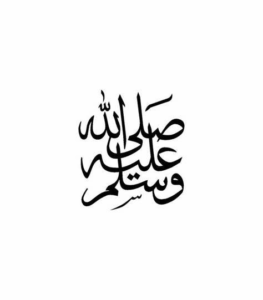
صَلَّى ٱللَّٰهُ عَلَيْهِ وَسَلَّمَ sallallahu alayhi wa sallam
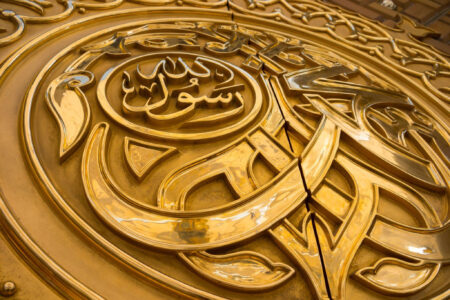
| sallallahu alayhi wa sallam in Arabic(Darood sharif text) | صَلَّى ٱللَّٰهُ عَلَيْهِ وَسَلَّمَ |
| sallallahu alayhi wa sallam meaning | Blessings of God be upon him as well as peace |
| sallallahu alaihi wasallam symbol | ﷺ |
| short durood shareef in arabic text | صَلَّى ٱللَّٰهُ عَلَيْهِ وَسَلَّمَ |
صَلَّى اللَّهُ عَلَيْهِ وَسَلَّمَ
Sallallahu Alayhi Wa Sallam
With full harakat — for learning, articles, and formal writing
☞ Copy this text
صلى الله عليه وسلم
Sallallahu Alayhi Wa Sallam
Without harakat — for WhatsApp, captions, and everyday messages
☞ Copy this text
ﷺ
Unicode symbol ﷺ — single character, works on all modern devices
Unicode: U+FDFA — This is a single character, not a combination of letters
☞ Copy this symbol
مُحَمَّدٌ ﷺ
Muhammad ﷺ
The Prophet's name with the salawat symbol — most complete form
☞ Copy this text
اللَّهُمَّ صَلِّ عَلَى مُحَمَّدٍ
Allahumma salli ala Muhammad
Short salawat — "O Allah, send blessings upon Muhammad"
☞ Copy this text
Unicode Character U+FDFA — Arabic Ligature Sallallahou Alayhe Wasallam
The ﷺ symbol is a single Unicode character (U+FDFA) that represents the complete phrase صَلَّى اللَّهُ عَلَيْهِ وَسَلَّمَ in a ligature form. It was encoded into Unicode specifically because Muslims write this phrase so frequently that a single-character shortcut was warranted. It is not an image — it is a text character that renders on all modern devices
How to type ﷺ on iPhone / iPad
There are two methods. The easiest: copy the symbol from this page and save it as a text replacement shortcut. Go to Settings → General → Keyboard → Text Replacement→ tap the + button → paste ﷺ in the Phrase field → type pbuh or saw in the Shortcut field → Save. From then on, every time you type pbuh your keyboard will auto-replace it with ﷺ.
Alternatively, install the Arabic keyboard (Settings → General → Keyboard → Add New Keyboard → Arabic) and type the Unicode value directly in Arabic input mode.
How to type ﷺ on Android
Open Gboard (Google Keyboard) → long press the language/globe icon → Language Settings → add Arabic. Switch to Arabic keyboard, then long-press the ص key — in many Android versions the ﷺ ligature appears as a secondary character. If it does not, use the copy method: copy ﷺ from this page → go to Gboard Settings → Dictionary → Personal Dictionary → add ﷺ with a shortcut like pbuh.
How to type ﷺ on Windows
Method 1 — Unicode Input
In any text field, type the Unicode code point then press Alt+X:FDFA then press Alt+X
Method 2 — Character Map
Start → search “Character Map” → tick “Advanced view” → search for FDFA → copy the character.Win key → Character Map → FDFA
Method 3 — AutoCorrect in Word
File → Options → Proofing → AutoCorrect Options → add ﷺ as a replacement for (pbuh)or (saw).File → Options → AutoCorrect
Method 4 — Copy from here
The simplest method — just copy ﷺ from this page and paste wherever you need it.ﷺ ← copy this character
How to type ﷺ on Mac
Go to System Preferences → Keyboard → Input Sources → add Arabic keyboard. Switch to Arabic input, then use the Unicode Hex Input method: hold Option and type FDFA. Alternatively, use the Emoji and Symbols viewer (Edit menu → Emoji & Symbols → search “salallahu”) to find and insert the character.
For websites and articles: Always use the text character ﷺ rather than an image. The text character is indexed by Google, searchable, copyable by readers, and loads faster than an image. It also scales perfectly at any font size.
Darood sharif text-Common transliterations and abbreviations used for صَلَّى ٱللَّٰهُ عَلَيْهِ وَسَلَّمَ” sallallahu alayhi wa sallam:
- Sallallahu alaihi wasallam
- salla allahu alayhi wasallam
- salla llahu alayhi wa-sallam
- SAW (Sallallahu alaihi wasallam)
- SAAW
- SAWS
- PBUH (peace be upon him)
- ﷺ
There are differences of opinion among scholars as to whether abbreviations such as “SAWS” can be used in writing, or if the phrase should always be spelled out entirely. And Allah knows best.
The short form Arabic symbol is ﷺ
Also read : Full Darood Sharif in Arabic and English
Increase your Darood sharif by making a dhikr habit – Check Darood Tasbih
Virtue of darood Sharif: 5 Reason to Send darood on Prophet Muhammad ﷺ
1. Reading darood pak is a Command of Allah
By sending Darood on Prophet Muhammad sallalahu alaihe wa sallam, we carry out the command of Allah.
Allah SWT says in the Quran:
إِنَّ اللَّهَ وَمَلَائِكَتَهُ يُصَلُّونَ عَلَى النَّبِيِّ ۚ يَا أَيُّهَا الَّذِينَ آمَنُوا صَلُّوا عَلَيْهِ وَسَلِّمُوا تَسْلِيمًا
“Indeed, Allah confers blessing upon the Prophet, and His angels [ask Him to do so]. O you who have believed, ask [Allah to confer] blessing upon him and ask [Allah to grant him] peace.” (Surah Al-Ahzab, 33:56)
According to the tafsir of this verse, Muslims are here commanded to do two things: “Salloo ‘alayhi” which means love the Prophet (ﷺ), praise him and pray for mercy for him, and “sallimoo tasleemaa” which means to pray for his well-bein and security as well as to put our heart and mind at task of obeying him faithfully and sincerely.
2. Allah send Darood pak upon the person who send darood on Prophet Muhammad ﷺ
Hadhrat Abu Hurayrah τ reports that Rasulullaah ρ said, “The person who confers Durood upon me once, Allaah will confer Durood upon him ten times.”
Whereas even a single Durood and mercy from Allaah is sufficient for all of the world, yet Allaah sends ten mercies to the person who conveys a single Durood upon Rasulullaah ﷺ. What greater rewards can
one hope for? How fortunate then are those pious predecessors whose routine it was to recite Durood 125000 times daily.Allaama Sakhaawi has narrated from Hadhrat Aamir bin Rabee’ah τ that Rasulullaah ρ said, “The person who confers Durood upon me once, Allaah will confer Durood upon him ten times. Those who therefore wish to do less may do so, and those who wish to do more, may also do so.”
A similar narration is narrated by Hadhrat Abdullaah bin Amr τ, with the addition that Allaah and His angels will confer Durood upon the person ten times. Allaama Sakhaawi has narrated several similar narration from various Sahabah ψ .He adds that just as Allaah has included the name of Rasulullaah ρ with His own name in the Kalimah and just as Allaah has stated that obedience and love for Rasulullaah ρ entails love and obedience to Allaah, so too has Allaah combined Durood for Rasulullaah ρ with His Durood.
Therefore, just as Allaah says, “Remember Me and I shall remember you”, so too does He says, “Confer Durood upon Rasulullaah ρ once and I will confer Durood upon you ten times.”
A narration in Targheeb from Hadhrat Abdullaah bin Amr τ states that if a person confers Durood upon Rasulullaah ρ once, Allaah and His angels will confer Durood upon him seventy times.
Ulema have stated that whenever narrations differ in stipulating rewards (such as these Ahadeeth specifying ten and then seventy times), the higher figure will be deemed to have come afterwards because of the grace and favours that Allaah bestows upon the Ummah of Rasulullaah ρ. The promise of ten mercies was therefore the initial promise of rewards, which was later increased to seventy.
Other Ulema have stated that the difference in rewards varies according to the differences in people, circumstances and times. This difference has also been cited in the variation of rewards for performing salaah in Jamaa’ah, which is between 25 times to 27 times the reward. Mulla Ali Qaari is of the opinion that the reward of seventy mercies is specific for the day of Jumu’ah, because of a Hadith stating that the rewards of deeds are multiplies seventy times on the day of Jumu’ah.
3. sins are erased by virtue of Darood
Anas Ibn Malik reported that the Prophet of Allah (ﷺ) said: “Whoever sends blessings upon me once, Allah… will erase ten sins from him, and will raise him ten degrees in status.” (An-Nasa’i Sahih)
4. It will bring us closer to the Prophet (ﷺ)on day of Resurrection :
Abdullah ibn Masood narrated that Prophet Muhammad (ﷺ) said: “The closest of people to me on the Day of Resurrection will be those who sent the most blessings upon me.” (At-Tirmidhi)
5. Those who does not send darood on Prophet is considered stingy
`Ali bin Abi Talib narrated that the Messenger of Allah (ﷺ) said: “The stingy person is the one before whom I am mentioned, and he does not send Salat upon me.” (At-Tirmidhi)
When to recite Darood Sharif صَلَّى ٱللَّٰهُ عَلَيْهِ وَسَلَّمَ sallallahu alayhi wa sallam
Sheikh Muhammad zakariyya in his book fazail darood shareef says,
Ulema have also clearly stated that it is Mustahab to recite Durood onthe following occasions:
- During the day on Fridays
- During the night on Fridays
- On Saturdays, Sundays and Thursdays
- Every morning and evening
- When entering a Masjid
- When leaving a Masjid
- When visiting the blessed grave of Rasulullaah ﷺ
- When walking on Mounts Safa and Marwah during Hajj
- During the Friday and other Khutbahs
- When replying to the Adhaan
- When reciting the Takbeer
- At the beginning of a du’aa
- During the du’aa
- At the end of a du’aa
- After the Du’aa Qunoot
- After reciting the Talbiya
- When joining a gathering
- When dispersing from a gathering
- When making wudhu
- When experiencing earache
- When something has been misplaced
- Upon commencing a sermon
- When propagating the Deen
- When commencing and completing the reiteration of Ahadeeth
- When asking for a Fatwa
- When issuing a Fatwa
- When writing a book or booklet
- When learning
- When teaching
- When proposing for marriage
- When getting married
- When conducting the marriage of another person
- When commencing important tasks
- After saying or hearing the name of Rasulullaah ﷺ
When not to recite Darood Sharif صَلَّى ٱللَّٰهُ عَلَيْهِ وَسَلَّمَ sallallahu alayhi wa sallam
It is Makrooh to recite Durood on the following occasions:
- When engaging in sexual relations
- When relieving oneself
- When advertising an item for sale
- When falling down
- When slaughtering an animal
- When sneezing
- When the name of Rasulullaah ﷺ is mentioned whilst one is reciting the Qur’aan, then Durood should not be recited
Reference used : Fazail Darood sharif by Muhammad Zakariyya ( amazon link)
What Does Sallallahu Alayhi Wa Sallam Mean?
Sallallahu Alayhi Wa Sallam (صَلَّى اللَّهُ عَلَيْهِ وَسَلَّمَ) means “May Allah send His blessings upon him and grant him peace.” It is the salutation Muslims say after mentioning the name of the Prophet Muhammad ﷺ.
This phrase is not simply a mark of respect — it is an act of worship commanded directly by Allah in the Quran. Allah says:
إِنَّ اللَّهَ وَمَلَائِكَتَهُ يُصَلُّونَ عَلَى النَّبِيِّ ۚ يَا أَيُّهَا الَّذِينَ آمَنُوا صَلُّوا عَلَيْهِ وَسَلِّمُوا تَسْلِيمًا“Indeed, Allah confers blessing upon the Prophet, and His angels [ask Him to do so]. O you who have believed, ask [Allah to confer] blessing upon him and ask [Allah to grant him] peace.”— Surah Al-Ahzab 33:56
This verse establishes something remarkable: Allah Himself and all of His angels send salawat upon the Prophet ﷺ constantly — and then Allah commands the believers to do the same. When a Muslim says Sallallahu Alayhi Wa Sallam, they are joining in an act that Allah and the angels are always performing.
Word-by-Word Breakdown — Sallallahu Alayhi Wa Sallam
| Arabic | Transliteration | Meaning | Notes |
|---|---|---|---|
| صَلَّى | Salla | Sent blessings / conferred salawat | Past tense verb from the root ص-ل-و (s-l-w). When Allah is the subject, salawat means His mercy, praise, and honour bestowed upon the Prophet ﷺ in the highest assembly. |
| اللَّهُ | Allahu | Allah | The subject — Allah is the one who sends the salawat. This establishes that it is Allah who blesses the Prophet ﷺ, not the person reciting the phrase. |
| عَلَيْهِ | Alayhi | Upon him | The preposition ʿalā (upon) + the pronoun hi (him). “Him” refers to the Prophet Muhammad ﷺ. |
| وَسَلَّمَ | Wa Sallama | And granted him peace / salutation | From the root س-ل-م (s-l-m) — the same root as Islam and Salaam. It means granting peace, security, and protection from all harm and deficiency. |
So the complete meaning is: “Allah sent His blessings upon him (the Prophet ﷺ) and granted him peace.” When a Muslim recites this, they are not just wishing for blessings — they are affirming and asking Allah to continue doing what He already does, and in return Allah blesses the person reciting it ten times.
The Prophet ﷺ said: “Whoever sends salawat upon me once, Allah will send ten blessings upon him.”— Sahih Muslim 408
PBUH vs SAWS vs SAW vs ﷺ — Full Comparison
Muslims use many different abbreviations and symbols when writing about the Prophet ﷺ. Here is what each one means, where it came from, and what scholars say about it:
| Abbreviation | Stands For | Language | Scholarly View |
|---|---|---|---|
| ﷺ | Sallallahu Alayhi Wa Sallam (full phrase as Unicode ligature) | Arabic | The most preferred option. This is the full Arabic phrase encoded as a single character — no meaning is lost or abbreviated. Recommended for all writing. |
| صلى الله عليه وسلم | Sallallahu Alayhi Wa Sallam (written out in full) | Arabic | The most complete and honourable form. Writing the full phrase in Arabic is the highest form of salawat in written text. |
| PBUH | Peace Be Upon Him | English | Widely used in English writing and translations. Acceptable as a transliteration shorthand, though scholars note it does not capture the salawat (blessings from Allah) — only the salam (peace) part of the full phrase. |
| SAWS | Sallallahu Alayhi Wa Sallam | Arabic initials in Latin script | Better than PBUH because it corresponds to the full Arabic phrase. Acceptable but still only initials — some scholars discourage abbreviating salawat to just letters. |
| SAW | Sallallahu Alayhi Wa Sallam (shortened) | Arabic initials in Latin script | Similar to SAWS — a shorthand that is widely understood. Less preferred than writing ﷺ or the full Arabic phrase. |
| (s) or (S) | Sallallahu Alayhi Wa Sallam | Abbreviated | The least preferred form. Many scholars consider reducing the full salawat to a single letter as disrespectful, even if unintentional. Not recommended. |
| (ﷺ) | Same as ﷺ but in brackets | Arabic Unicode | Acceptable variation. The brackets are stylistic — the symbol itself is the same. |
Best practice for writing: Use ﷺ — it is the full phrase in a single character, works in all languages, requires no translation, and is recognised across the entire Muslim world. If writing in English text and ﷺ is not available, write Sallallahu Alayhi Wa Sallam or peace and blessings of Allah be upon him in full rather than abbreviating to a single letter.
Darood Ibrahim — Full Arabic Text, Transliteration & Meaning
Darood Ibrahim is the specific form of salawat that the Prophet ﷺ himself taught us to recite in our prayers (salah). It is recited in the last sitting (qa’dah) of every prayer, and it is the most authentic and frequently recited form of Darood in existence. The Prophet ﷺ was asked by the Companions how they should send salawat upon him, and this is what he taught them:
اللَّهُمَّ صَلِّ عَلَى مُحَمَّدٍ وَعَلَى آلِ مُحَمَّدٍ،
كَمَا صَلَّيْتَ عَلَى إِبْرَاهِيمَ وَعَلَى آلِ إِبْرَاهِيمَ،
إِنَّكَ حَمِيدٌ مَجِيدٌ.
اللَّهُمَّ بَارِكْ عَلَى مُحَمَّدٍ وَعَلَى آلِ مُحَمَّدٍ،
كَمَا بَارَكْتَ عَلَى إِبْرَاهِيمَ وَعَلَى آلِ إِبْرَاهِيمَ،
إِنَّكَ حَمِيدٌ مَجِيدٌ.
Darood Ibrahim — full Arabic text with harakat☞ Copy this text for salah, messages, and articles
Allahumma salli ‘ala Muhammadin wa ‘ala aali Muhammadin,
kama sallayta ‘ala Ibrahima wa ‘ala aali Ibrahima,
innaka Hameedun Majeed.
Allahumma barik ‘ala Muhammadin wa ‘ala aali Muhammadin,
kama barakta ‘ala Ibrahima wa ‘ala aali Ibrahima,
innaka Hameedun Majeed.☞ Copy transliteration
Darood Ibrahim — Word by Word Meaning
| Arabic Phrase | Meaning | Notes |
|---|---|---|
| اللَّهُمَّ صَلِّ عَلَى مُحَمَّدٍ | O Allah, send Your blessings upon Muhammad | Salli here is an imperative — the worshipper is asking Allah to bestow His mercy and honour upon the Prophet ﷺ in the highest assembly |
| وَعَلَى آلِ مُحَمَّدٍ | And upon the family of Muhammad | Aal (آل) refers to the Prophet’s household and descendants, and by extension his Companions and the entire Muslim community |
| كَمَا صَلَّيْتَ عَلَى إِبْرَاهِيمَ | As You sent blessings upon Ibrahim | The comparison to Ibrahim (Abraham) sets a high benchmark — Ibrahim and his family are renowned for the blessings Allah bestowed on them |
| وَعَلَى آلِ إِبْرَاهِيمَ | And upon the family of Ibrahim | Ibrahim’s family includes the prophets Ismail, Ishaq, Ya’qub, Yusuf, Musa, and Isa — all of them descended from him |
| إِنَّكَ حَمِيدٌ مَجِيدٌ | Indeed, You are Praiseworthy and Glorious | Hameed (Praiseworthy) and Majeed (Glorious/Majestic) are two of Allah’s names. The dua ends by affirming Allah’s greatness. |
| اللَّهُمَّ بَارِكْ عَلَى مُحَمَّدٍ | O Allah, bless Muhammad | Barik here means bestowing barakah — divine increase, abundance, and permanence of blessings upon the Prophet ﷺ |
Ka’b ibn ‘Ujrah reported: We said, “O Messenger of Allah, we know how to greet you with salaam, but how should we invoke blessings upon you?” He said: “Say: Allahumma salli ‘ala Muhammadin wa ‘ala aali Muhammadin kama sallayta ‘ala Ibrahima wa ‘ala aali Ibrahima innaka Hameedun Majeed…”— Sahih al-Bukhari 3370, Sahih Muslim 406
Darood Sharif vs Darood Ibrahim — What is the Difference?
| Feature | Darood Sharif | Darood Ibrahim |
|---|---|---|
| What it refers to | Any salawat (blessing) sent upon the Prophet ﷺ — an umbrella term for all forms of Darood | A specific, named form of Darood that mentions Ibrahim (Abraham) — taught directly by the Prophet ﷺ |
| Used in salah? | Depends on the specific form — not all forms of Darood Sharif are used in salah | Yes — this is the form recited in the tashahhud (final sitting) of every prayer |
| Source | General Quranic command (33:56) + various hadith | Specific hadith — Sahih al-Bukhari 3370, Sahih Muslim 406 |
| Scholarly status | Sending salawat in any form is Sunnah and rewarded | The most authentic and best-authenticated specific form of Darood to recite |
| In simple terms | Darood Sharif is the general category | Darood Ibrahim is the most specific and authenticated Darood within that category |
Think of it this way: all Darood Ibrahim is Darood Sharif, but not all Darood Sharif is Darood Ibrahim. Darood Ibrahim is the one the Prophet ﷺ himself prescribed — so whenever you are in doubt about which form to recite, Darood Ibrahim is always the correct choice.
Sallallahu Ala Muhammad — Arabic Text & Transliteration
Sallallahu Ala Muhammad (صَلَّى اللَّهُ عَلَى مُحَمَّد) is one of the most beloved salawat phrases in the Muslim world, widely known through the famous nasheed that has become a global Islamic anthem. Here is the most commonly recited version:
صَلَّى اللَّهُ عَلَى مُحَمَّد
Sallallahu ‘ala Muhammad
“May Allah send blessings upon Muhammad”
صَلَّى اللَّهُ عَلَيْهِ وَسَلَّمَ
☞ Copy this text
Sallallahu ‘alayhi wa sallam
“May Allah send blessings upon him and grant him peace
The extended salawat verse — Sallallahu Ala Nabi
اللَّهُمَّ صَلِّ وَسَلِّمْ وَبَارِكْ عَلَى سَيِّدِنَا مُحَمَّدٍAllahumma salli wa sallim wa barik ‘ala sayyidina Muhammad“O Allah, send Your prayers, peace, and blessings upon our master Muhammad”☞ Copy this extended salawat
Frequently Asked Questions
What does Sallallahu Alayhi Wa Sallam mean in English?
Sallallahu Alayhi Wa Sallam (صَلَّى اللَّهُ عَلَيْهِ وَسَلَّمَ) means “May Allah send His blessings upon him and grant him peace.” It is the salutation Muslims recite after mentioning the name of the Prophet Muhammad ﷺ. The phrase is not just a title — it is an act of worship commanded in the Quran (Surah Al-Ahzab 33:56) and rewarded by Allah with ten blessings in return for each recitation (Sahih Muslim 408).
How do you write Sallallahu Alayhi Wa Sallam in Arabic?
With full harakat: صَلَّى اللَّهُ عَلَيْهِ وَسَلَّمَ
Without harakat (for typing): صلى الله عليه وسلم
As a single Unicode symbol: ﷺ (Unicode U+FDFA)
All three are correct. The Unicode symbol ﷺ is preferred for digital writing because it is a single character that represents the full phrase.
What is the difference between PBUH, SAW, SAWS, and ﷺ?
All four refer to the same phrase — Sallallahu Alayhi Wa Sallam — but in different forms. ﷺ is the full Arabic phrase as a single Unicode character and is the most preferred. SAWS and SAW are initials of the Arabic transliteration. PBUH stands for “Peace Be Upon Him” in English and only captures the salam part, not the salawat (blessings from Allah) part of the full phrase. Writing ﷺ or the full phrase is always better than any abbreviation.
What is the full text of Darood Ibrahim in Arabic?
Darood Ibrahim in full Arabic:
اللَّهُمَّ صَلِّ عَلَى مُحَمَّدٍ وَعَلَى آلِ مُحَمَّدٍ، كَمَا صَلَّيْتَ عَلَى إِبْرَاهِيمَ وَعَلَى آلِ إِبْرَاهِيمَ، إِنَّكَ حَمِيدٌ مَجِيدٌ. اللَّهُمَّ بَارِكْ عَلَى مُحَمَّدٍ وَعَلَى آلِ مُحَمَّدٍ، كَمَا بَارَكْتَ عَلَى إِبْرَاهِيمَ وَعَلَى آلِ إِبْرَاهِيمَ، إِنَّكَ حَمِيدٌ مَجِيدٌ.
This was taught by the Prophet ﷺ himself when the Companions asked how to send salawat upon him (Sahih al-Bukhari 3370). It is recited in every prayer in the final tashahhud.
What is the difference between Darood Sharif and Darood Ibrahim?
Darood Sharif is an umbrella term for any salawat (blessing) sent upon the Prophet ﷺ. Darood Ibrahim is a specific, named form of Darood that the Prophet ﷺ himself taught — the one that mentions Ibrahim (Abraham) for comparison. Darood Ibrahim is recited in every prayer. It is the most authentic and best-evidenced specific form of Darood. All Darood Ibrahim is Darood Sharif, but not all Darood Sharif is specifically Darood Ibrahim.
How do I type the ﷺ symbol on iPhone, Android, or PC?
The easiest method on any device: copy ﷺ from this page and save it. For iPhone: go to Settings → General → Keyboard → Text Replacement → add ﷺ with a shortcut like pbuh. For Android: Gboard → Personal Dictionary → add ﷺ with the shortcut pbuh. For Windows: type FDFA then press Alt+X in any text field. For Mac: use Edit → Emoji & Symbols → search for “salallahu”. The Unicode code point is U+FDFA.
Is it obligatory to say Sallallahu Alayhi Wa Sallam when the Prophet’s name is mentioned?
Scholars differ: some consider it wajib (obligatory) at least once in a gathering where the Prophet’s name is mentioned, while others consider it strongly recommended (Sunnah mu’akkadah). All scholars agree it must be recited in the tashahhud of salah. In practice, every Muslim should say Sallallahu Alayhi Wa Sallam every single time they hear or write the Prophet’s name — the Prophet ﷺ himself called the person who does not do so a miser (Tirmidhi 3546).
What does Darood Sharif mean?
Darood (درود) is a Persian/Urdu word meaning salutation, praise, or blessing. Sharif (شریف) means noble or honourable. So Darood Sharif literally means “the noble salutation.” In Islamic usage, it refers to any salawat — any form of sending blessings upon the Prophet Muhammad ﷺ. In Arabic, the equivalent term is salawat (صَلَوَات), which is the plural of salah (blessing).
🇵🇰 اردو — URDU SECTION
درود شریف — اردو میں مکمل رہنمائی
درود شریف وہ مبارک کلمات ہیں جن کے ذریعے ہم نبی کریم ﷺ پر سلام اور درود بھیجتے ہیں۔ اللہ تعالیٰ نے قرآن پاک میں حکم دیا ہے: “اے ایمان والو! تم بھی نبی پر درود بھیجو اور خوب سلام بھیجو۔” (سورۃ الاحزاب: 56)
درود ابراہیم — اردو ترجمے کے ساتھ
اللَّهُمَّ صَلِّ عَلَى مُحَمَّدٍ وَعَلَى آلِ مُحَمَّدٍ،
كَمَا صَلَّيْتَ عَلَى إِبْرَاهِيمَ وَعَلَى آلِ إِبْرَاهِيمَ،
إِنَّكَ حَمِيدٌ مَجِيدٌ،
اللَّهُمَّ بَارِكْ عَلَى مُحَمَّدٍ وَعَلَى آلِ مُحَمَّدٍ،
كَمَا بَارَكْتَ عَلَى إِبْرَاهِيمَ وَعَلَى آلِ إِبْرَاهِيمَ،
إِنَّكَ حَمِيدٌ مَجِيدٌ☞ متن کاپی کریں
درود ابراہیم کا اردو ترجمہ
| عربی | اردو ترجمہ |
|---|---|
| اللَّهُمَّ صَلِّ عَلَى مُحَمَّدٍ | اے اللہ! محمد ﷺ پر رحمت نازل فرما |
| وَعَلَى آلِ مُحَمَّدٍ | اور آل محمد ﷺ پر |
| كَمَا صَلَّيْتَ عَلَى إِبْرَاهِيمَ وَعَلَى آلِ إِبْرَاهِيمَ | جیسے تو نے ابراہیم ؑ اور آل ابراہیم ؑ پر رحمت نازل فرمائی |
| إِنَّكَ حَمِيدٌ مَجِيدٌ | بے شک تو تعریف کیا گیا، بزرگی والا ہے |
| اللَّهُمَّ بَارِكْ عَلَى مُحَمَّدٍ | اے اللہ! محمد ﷺ پر برکتیں نازل فرما |
| كَمَا بَارَكْتَ عَلَى إِبْرَاهِيمَ وَعَلَى آلِ إِبْرَاهِيمَ | جیسے تو نے ابراہیم ؑ اور آل ابراہیم ؑ پر برکتیں نازل فرمائیں |
صلی اللہ علیہ وسلم — معنی اور فضیلت
صَلَّى اللَّهُ عَلَيْهِ وَسَلَّمَ کا اردو مطلب ہے: “اللہ ان پر رحمت اور سلامتی نازل فرمائے۔”
نبی کریم ﷺ نے فرمایا: “جو شخص مجھ پر ایک بار درود پڑھے، اللہ تعالیٰ اس پر دس رحمتیں نازل فرماتا ہے۔” (صحیح مسلم: 408)
درود شریف کب پڑھیں؟
- نماز کے آخری قعدے میں — درود ابراہیم پڑھنا لازمی ہے
- جب بھی نبی کریم ﷺ کا نام سنیں یا پڑھیں
- جمعے کے دن کثرت سے درود پڑھیں (سنن ابی داؤد: 1047)
- دعا کے شروع اور آخر میں
- اذان کے بعد
- مسجد میں داخل ہوتے اور نکلتے وقت
ﷺ کا نشان — کاپی کریں
یہ ایک واحد یونیکوڈ کریکٹر ہے جو پورے جملے کو ایک علامت میں ظاہر کرتا ہے:
ﷺ