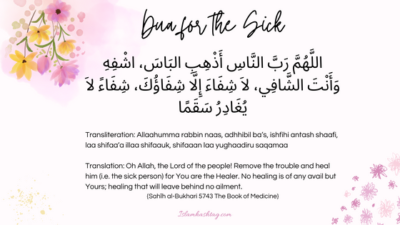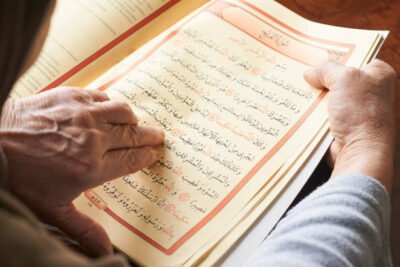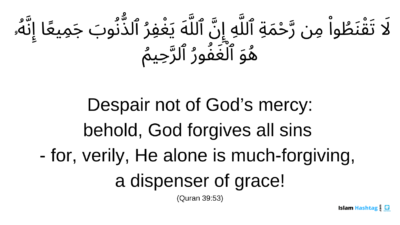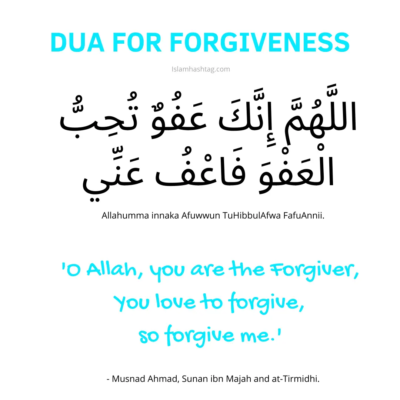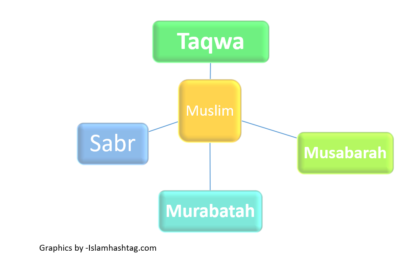
Easy to understand Quran notes in English with Quran journal prompts and ideas.
Quran Notes and Reflections in English — Your Complete Quranic Study Companion
Welcome to one of the most extensive collections of Quran notes and reflections in English on the internet. This page brings together years of Quranic study by Alimah Fahmina Jawed — an Islamic scholar with a Darse Nizami sanad who has studied Tafsir, Hadith, Fiqh, and Seerah — compiled into accessible, meaningful articles for everyday Muslims. Whether you are looking for surah-by-surah notes, reflections on specific Quranic stories, lessons from individual ayahs, or journal prompts to deepen your personal relationship with the Quran, you will find it all here.
Allah (SWT) says in the Quran: “This is a blessed Book which We have revealed to you, so that they may reflect upon its verses and those of understanding will be reminded.” (Surah Sad, 38:29). This collection is built on that very principle — that the Quran was not merely revealed to be recited, but to be understood, pondered, and lived.
What Are Quran Notes?
Quran notes are structured summaries and reflections drawn from the study of Quranic verses, surahs, and themes. They differ from a formal tafsir (exegesis) in that they are designed to be accessible to a general reader — presenting the key lessons, context, and spiritual insights of a passage in a clear, relatable format that anyone can read and benefit from without needing a scholarly background.
At Islam Hashtag, Quran notes are written in a unique style that blends classical Islamic scholarship with the practical realities of modern Muslim life. Each article connects the eternal message of the Quran to questions we actually face: How do I deal with hardship? What does Allah say about my fears and hopes? What lessons can I draw from the stories of the prophets? What virtues is the Quran calling me toward?
What Topics Are Covered in This Collection?
This collection spans the full breadth of Quranic knowledge, organized into the following key categories:
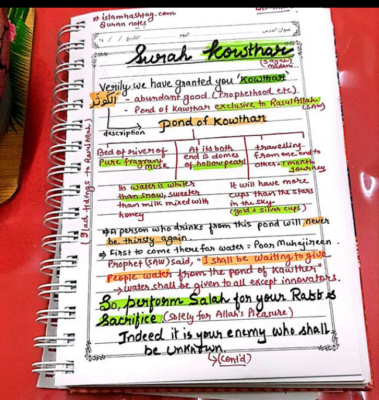
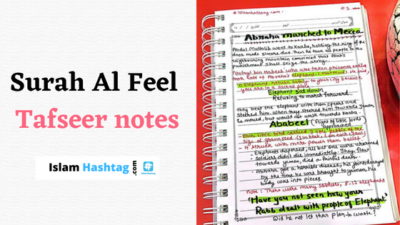
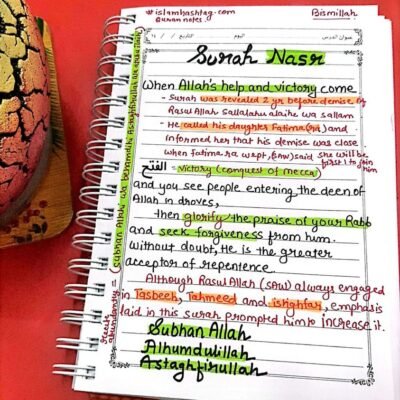
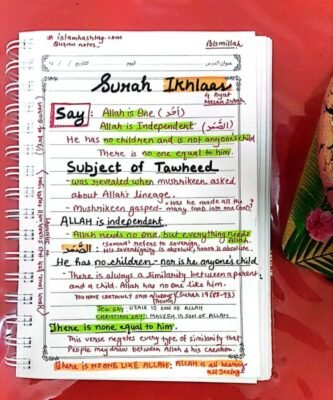
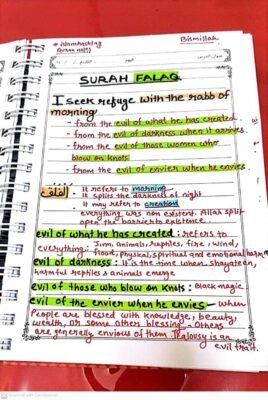
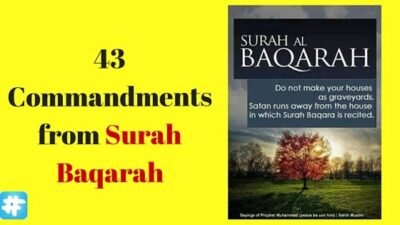
Surah Notes and Tafsir Summaries — Detailed notes on individual surahs including Surah Al-Fatiha, Surah baqarah, Surah Al-Imran, Surah An-Nisa, Surah Al-Ma’idah, Surah Al-Kahf, Surah Rahman, Surah Al-Mulk, Surah Al-Kawthar, Surah An-Nasr, Surah Al-Feel, Surah Al-Falaq, Surah An-Nas, and many more. Each set of notes covers the surah’s background, key themes, lessons, and practical takeaways.
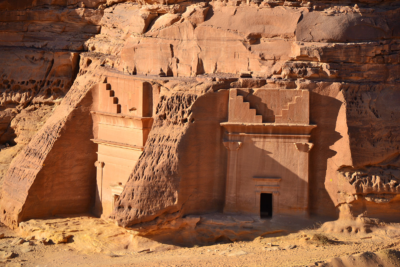
Quranic Stories and Lessons — Reflections on the stories mentioned in the Quran, including the story of the People of the Ditch, the story of Gog and Magog (Yajuj and Majuj), the two men in the garden (Surah Al-Kahf), Noah’s Ark, the Treaty of Hudaybiyah from Surah Al-Fath, the story of Zulaikha and Prophet Yusuf (عليه السلام), the People of ‘Ad and Thamud, the story of Luqman’s wisdom, and many others. These stories are among the most powerful moral and spiritual teachings in all of human literature.
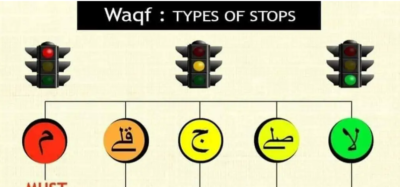
Quranic Themes and Concepts — In-depth articles on major Quranic themes such as taqwa (God-consciousness), Sabr (patience), forgiveness, hope in Allah’s mercy, arrogance and humility, the book of deeds, the three types of Nafs (soul), Yaqeen (certainty of faith), Muhkamat and Mutashabihat verses, the 10 Qira’at of Quran recitation, the rules of Waqf (stopping during recitation), and the history of the compilation of the Quran.
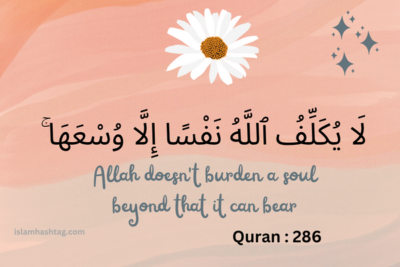
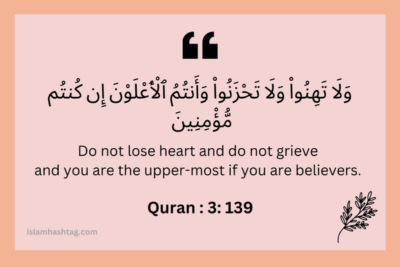
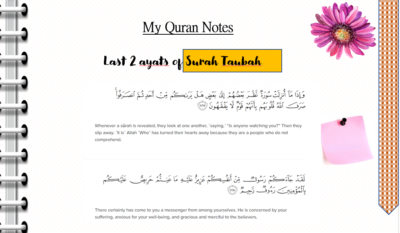
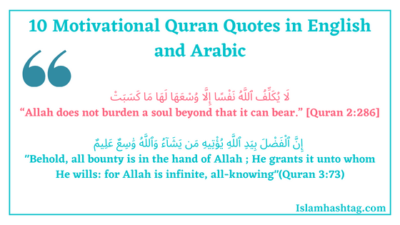
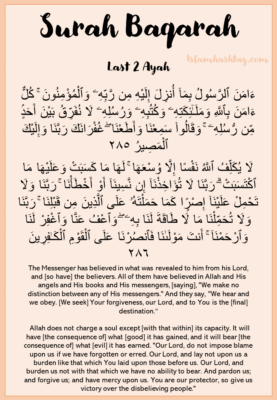
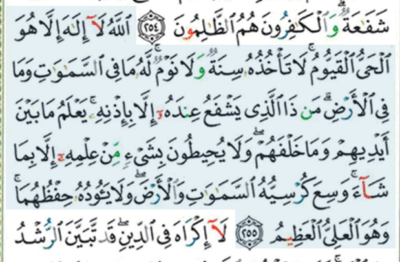
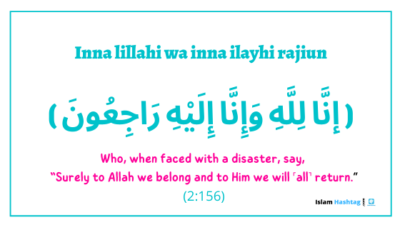
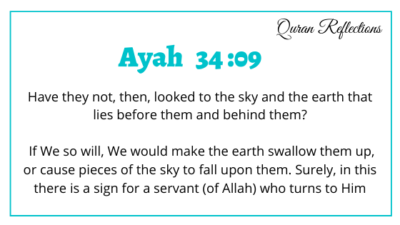
Reflections on Individual Ayahs — Focused reflections on specific verses that Muslims encounter frequently in daily life, such as Ayatul Kursi, the last two ayahs of Surah Baqarah, Inna Lillahi wa Inna Ilayhi Raji’un (2:156), “Allah does not burden a soul beyond that it can bear” (2:286), “Do not lose hope nor be sad” (3:139), Rabbana Atmim Lana Nurana, and Rabbi habli min ladunka.
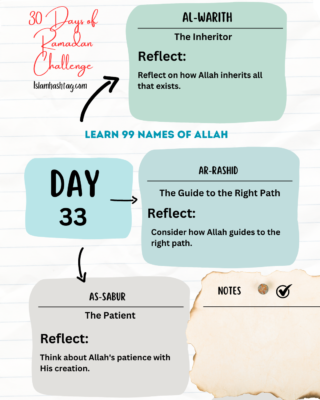
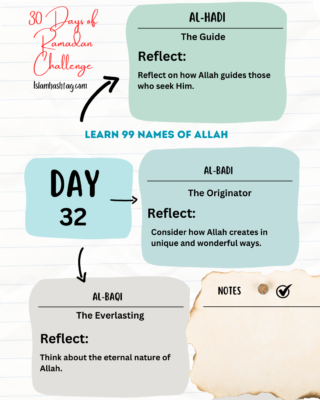
Allah’s Names (Asma ul Husna) — A dedicated ongoing series reflecting on the beautiful names and attributes of Allah (SWT), exploring how each name changes the way we understand our relationship with our Creator and how to call upon Him.
Quran and Science, History, and Civilization — Articles connecting Quranic verses to topics such as hurricanes and natural phenomena mentioned in the Quran, the linguistic miracle of the Quran and the challenge to produce a single surah like it, the methodologies of classical Quran commentators (Tafsir vs. Tawil), and the history of how the Quran was preserved and compiled.
Quran Journal Prompts and Reflective Writing — Practical prompts and frameworks for Muslims who want to keep a personal Quran journal — writing their own reflections as they read, marking verses that speak to them, and tracking lessons they want to implement in their lives.
How to Use This Collection
There is no single correct way to use these Quran notes — they are designed to serve different readers at different points in their journey with the Quran. Here are a few practical approaches:
If you are reading the Quran from cover to cover, use the surah notes as a companion. Before or after reading a surah, come here for context, key lessons, and things to reflect on. This dramatically deepens what you take from your reading.
If you are studying a specific topic, use the thematic articles. Searching for Quranic guidance on patience, forgiveness, or hope? The thematic pieces gather all the relevant verses and their meanings in one place, saving you hours of independent research.
If you are teaching Islamic studies to children, students, or a halaqa group, the surah notes and story reflections are ideal structured lesson plans. They are written in a tone suitable for both adults and older children, and many include printable resources and journal activities.
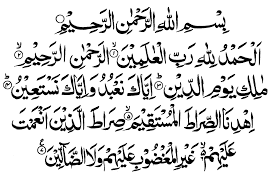
If you are starting a Quran journal, begin with the reflection prompts and the notes on Surah Al-Fatiha — the opening chapter that every Muslim recites at least 17 times a day. Understanding what you are saying in Al-Fatiha alone can transform your salah forever.
Browse the articles below, bookmark the ones that speak to you, and may Allah (SWT) make the Quran the light of your heart, the tranquility of your mind, and the guide of your every step. Ameen.